
Leszek Jodliński
Director of the Gliwice Museum
yesterday
The history of the Theater
The turbulent history of Victoria
The ruins of the Victoria Theater in Gliwice stand as an extraordinary testament to the city’s multifaceted history. From its 19th-century origins as a premier commercial and entertainment hub, through decades of prosperity and vibrant artistic life, to the scars of war and post-war neglect—Victoria’s journey is one of resilience. Today, these once-bustling interiors serve as a unique cultural space where the past intertwines with a bold new vision. This is the chronological story of a theater that evolved alongside its city and its people.
The 1890s
The Birth of the Victoria Complex
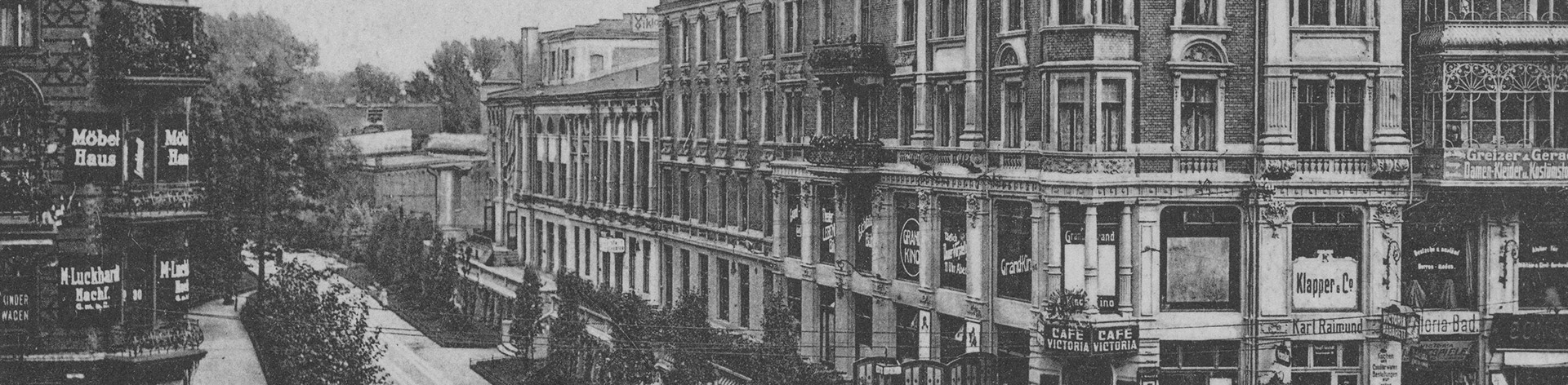
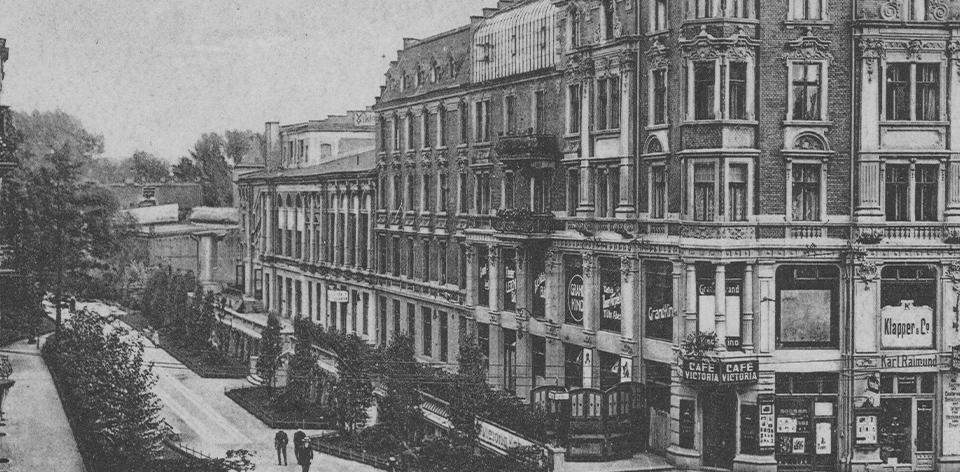
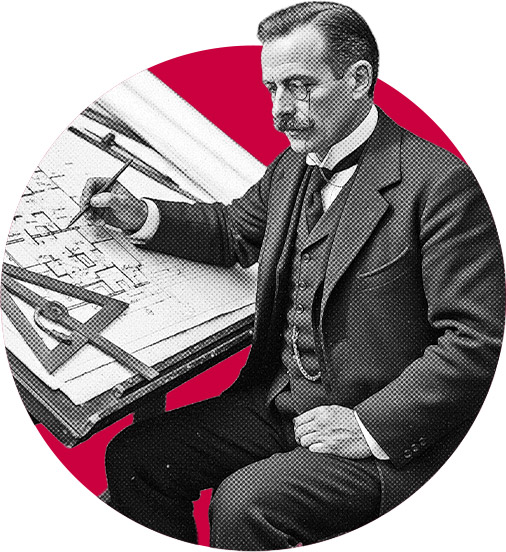
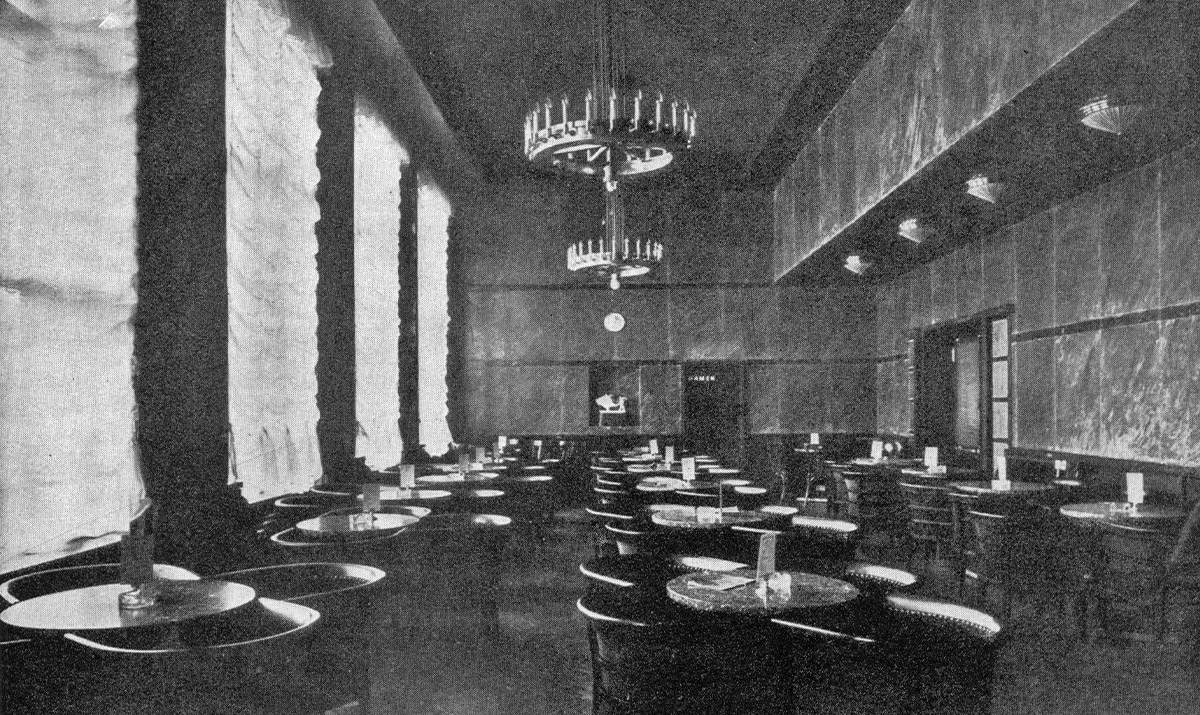
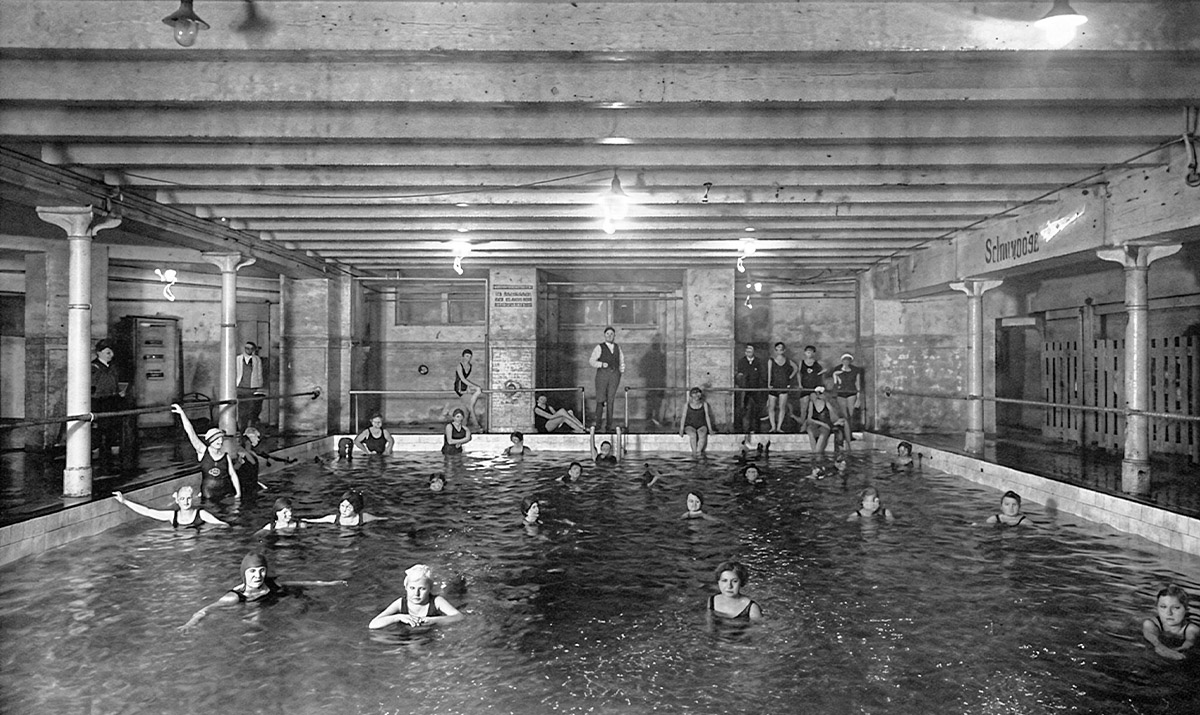
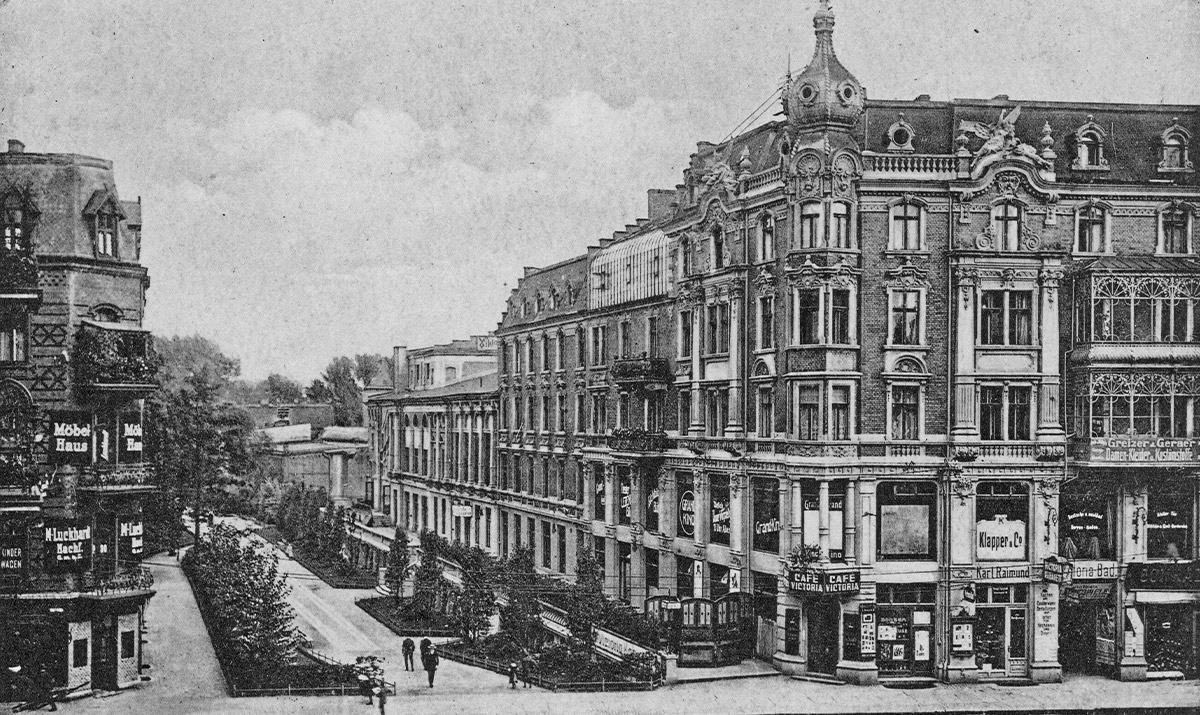
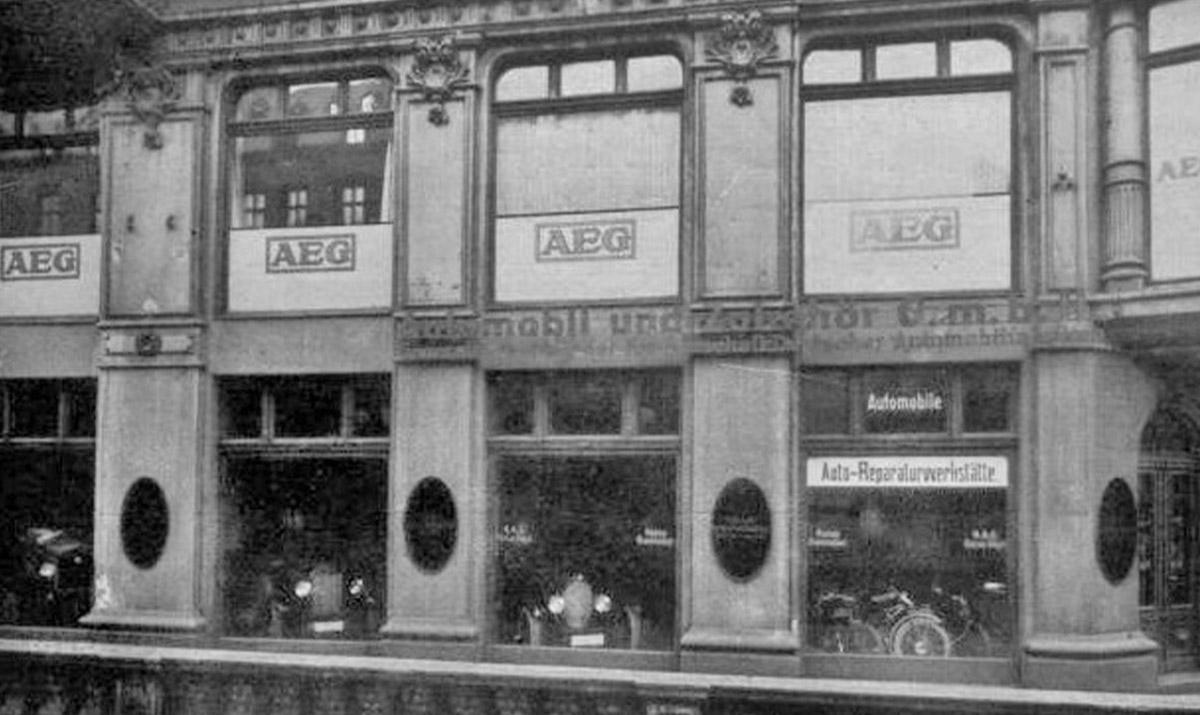
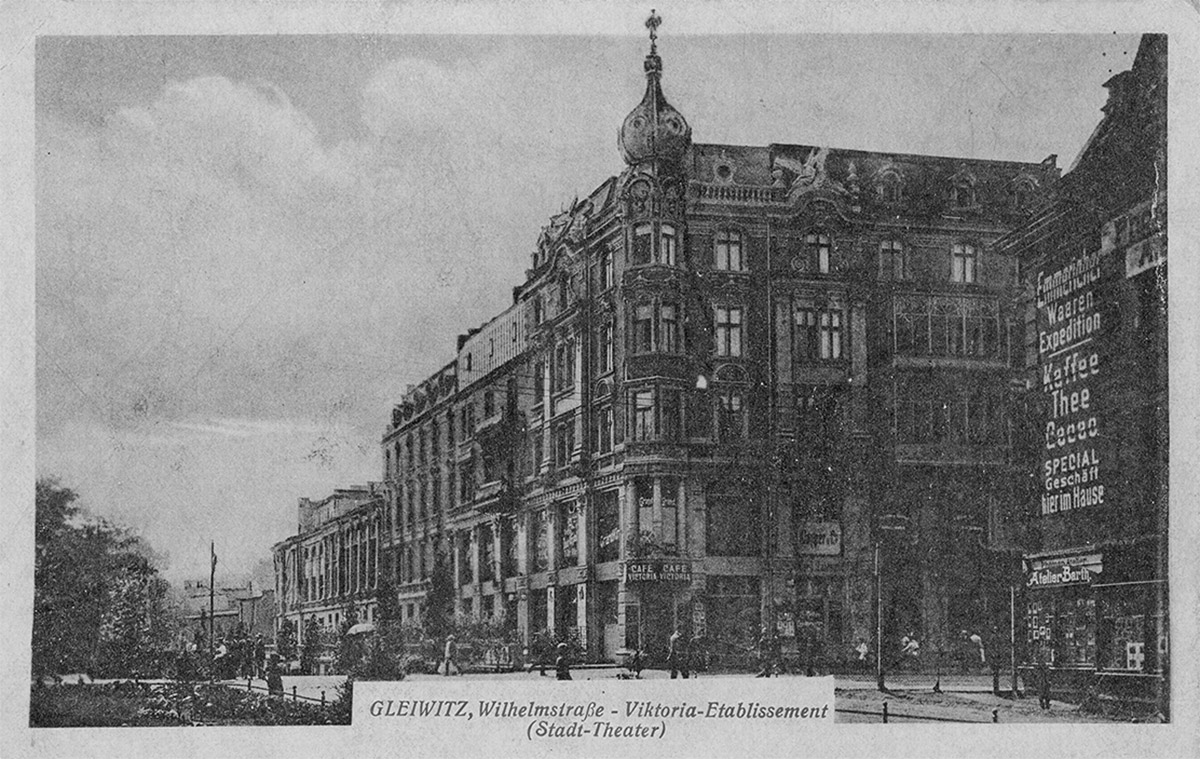
In the 1890s, entrepreneur Julius Leppich and the “Victoria” Society commissioned the architectural firm Zimmermann und Wache to design a cutting-edge commercial and entertainment complex on Wilhelmstraße (now Zwycięstwa Street). The building at number 28 was a true urban marvel: the ground floor featured a shopping arcade and the popular Grand Cinema, while the basement housed a municipal bathhouse and swimming pool. The upper floors were home to a private music school, a hotel, a restaurant, and a professional photography studio.
1896
Expansion and the Grand Theater
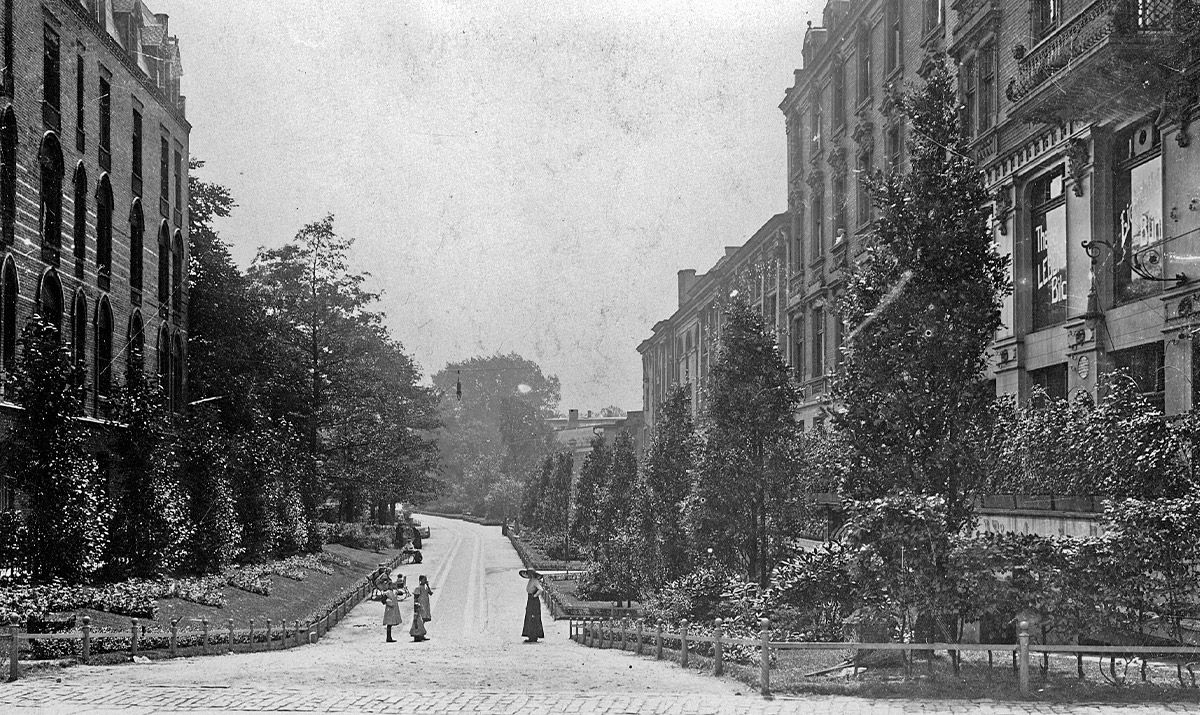
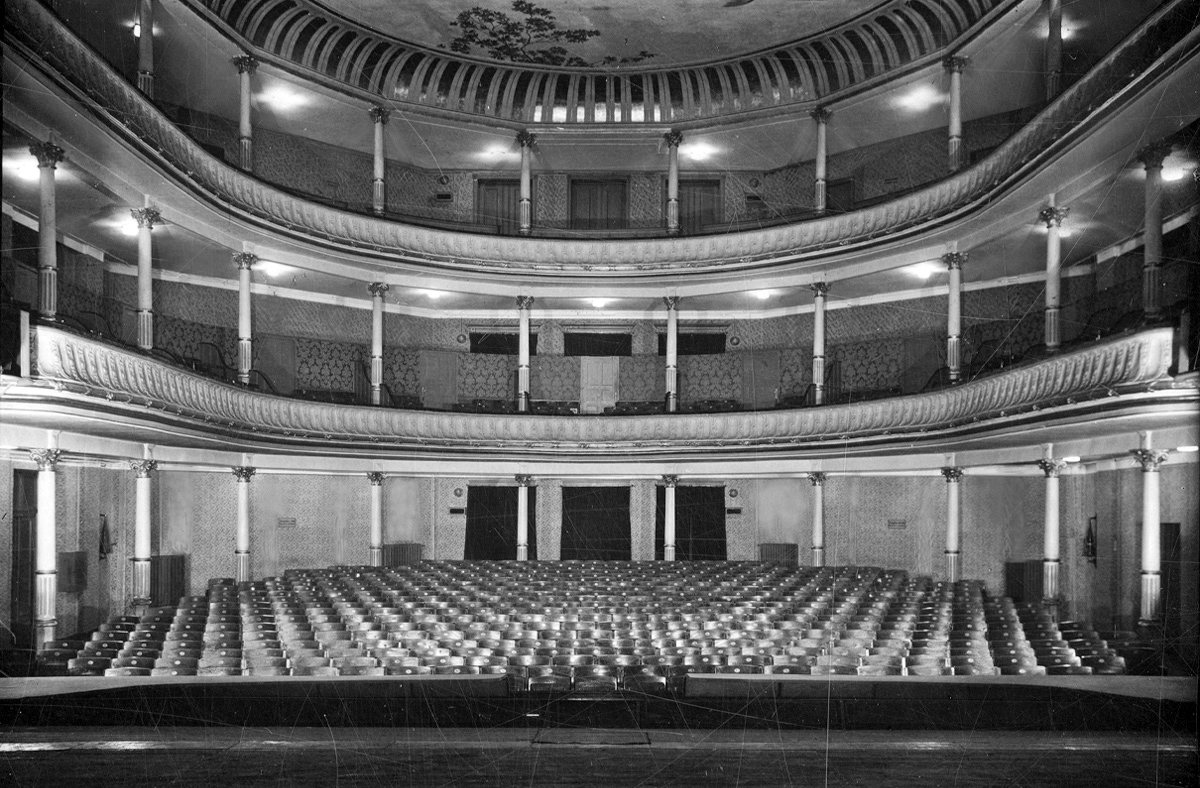
In 1896, the complex was expanded toward the promenade along the Wilde-Klodnitz Canal (today Aleja Przyjaźni). This new wing housed the Victoria City Theater, featuring a majestic two-story auditorium with semicircular boxes that could seat 1,100 guests. The property also included a professional prop room, a thriving workshop, and a “summer stage” set within a lush garden adorned with sculptures, fountains, and shaded verandas. Originally named the “Crystal Palace,” the estate was rebranded in 1898 as the “Hotel and Café Victoria,” while the stage itself became known as the “City Theater” in 1901.
1901–1924
Controversy and Modernization
Despite its grandeur, the building was not without its critics. Its location was a major point of contention; although situated on the main Wilhelmstraße, it was tucked away with no grand entrance. Audiences originally had to enter through a courtyard – a path many considered “undignified.” Early complaints also targeted the poor lighting, uncomfortable seating, and inefficient cloakrooms. However, the theater’s acoustics were legendary, often jokingly referred to as a “happy accident.”
The first wave of modernizations began just two years after its opening. In 1910, a major renovation gave the interior a “festive new look.”
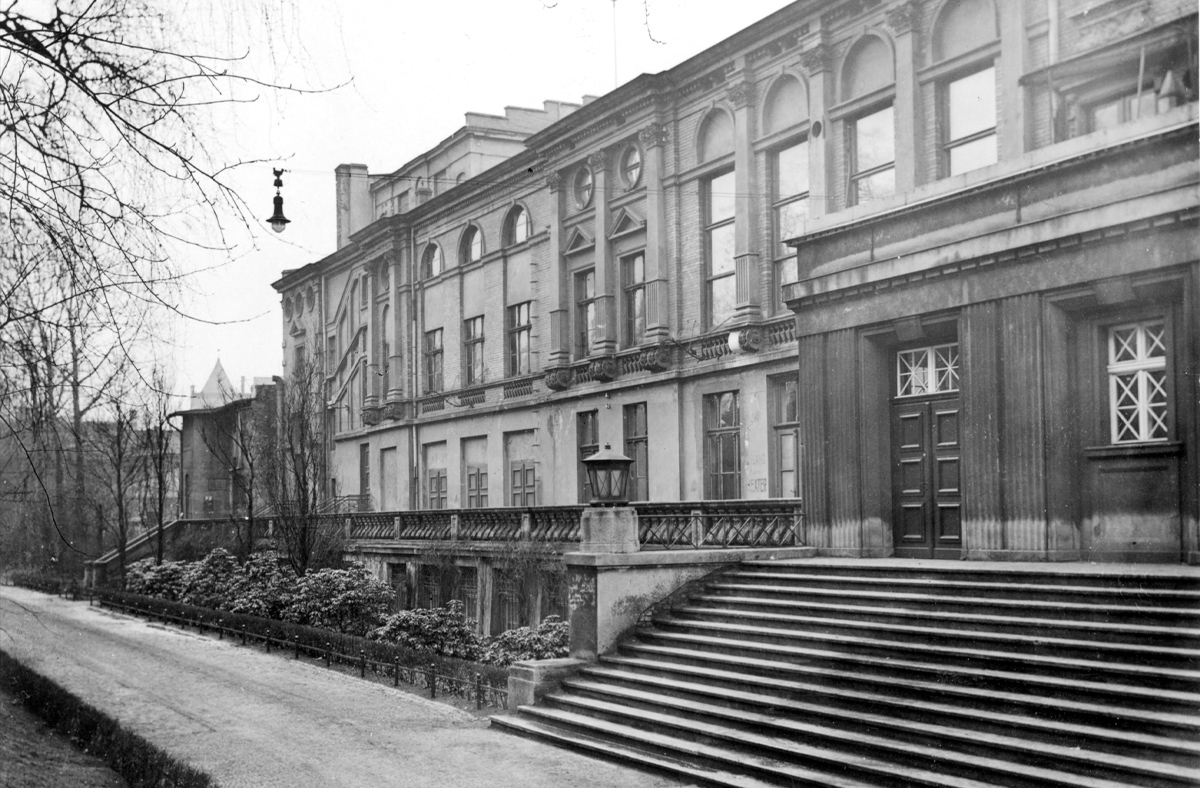
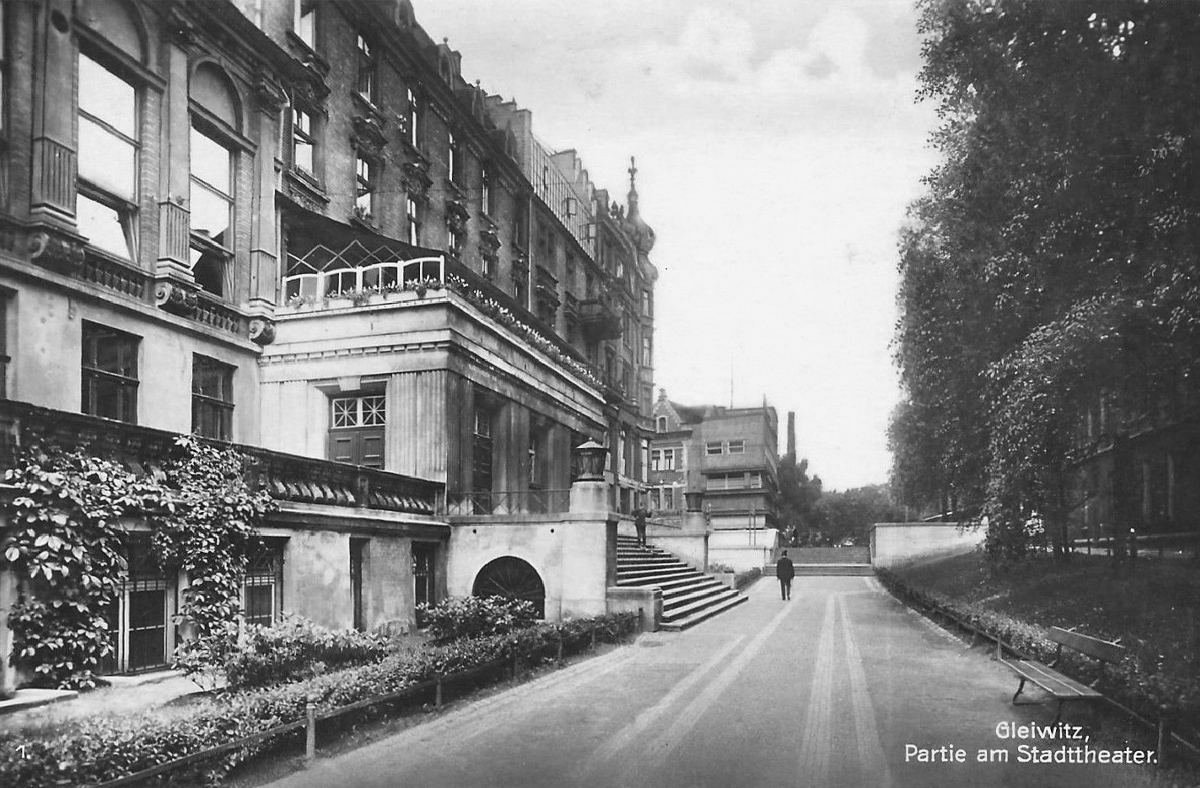
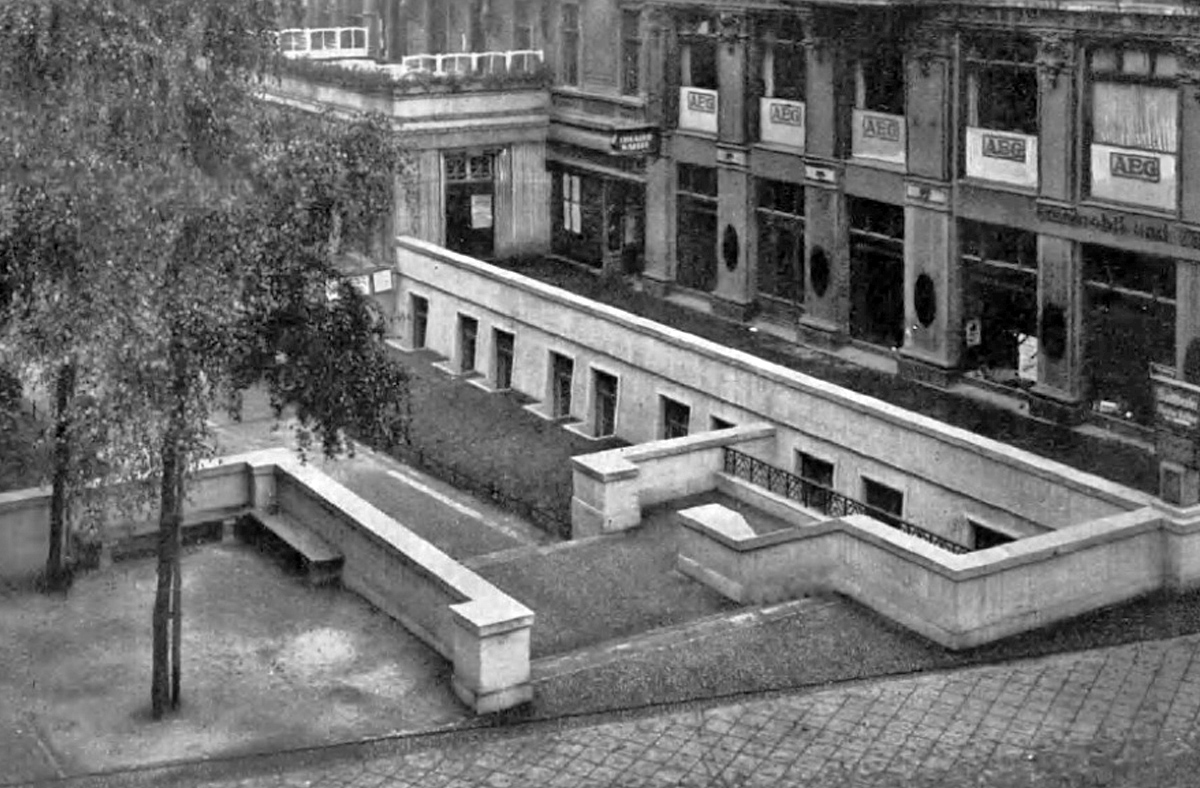
However, the most significant transformation occurred in 1924 under the direction of Karl Schabik. He cleared the surrounding area, added a grand entrance staircase facing the promenade, and expanded the facilities.
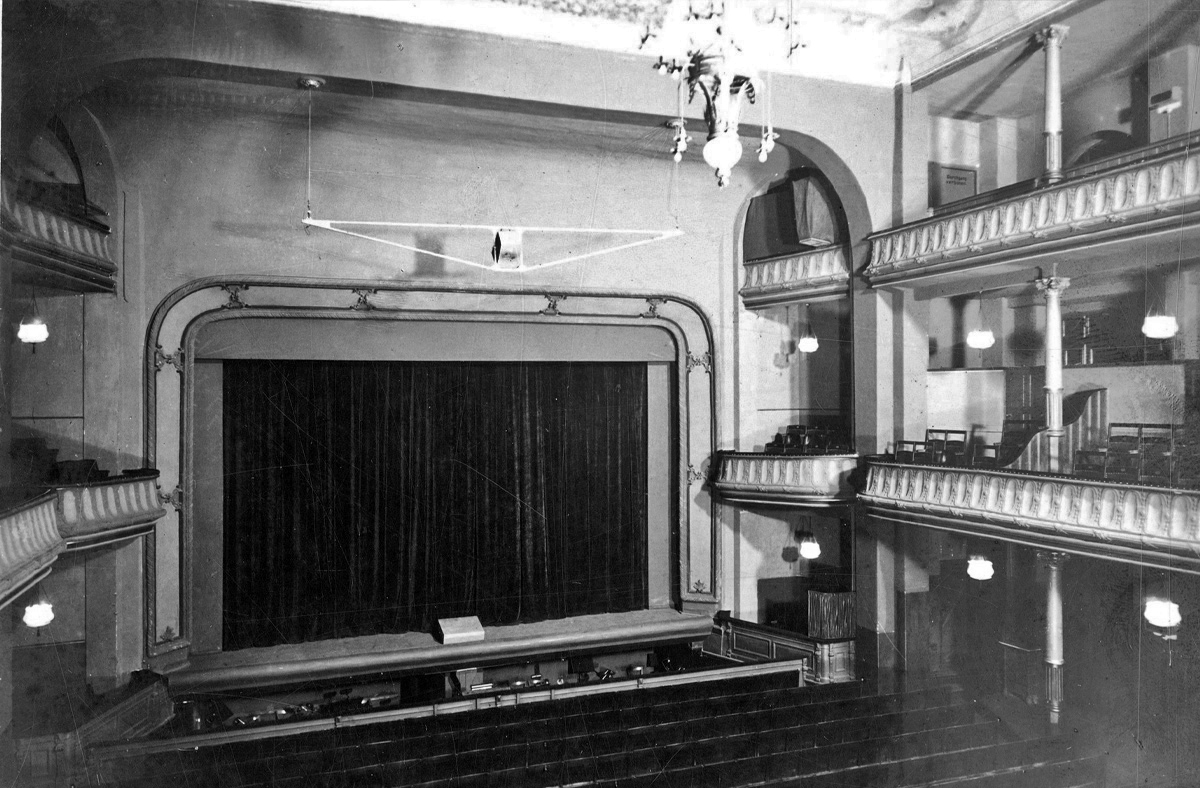
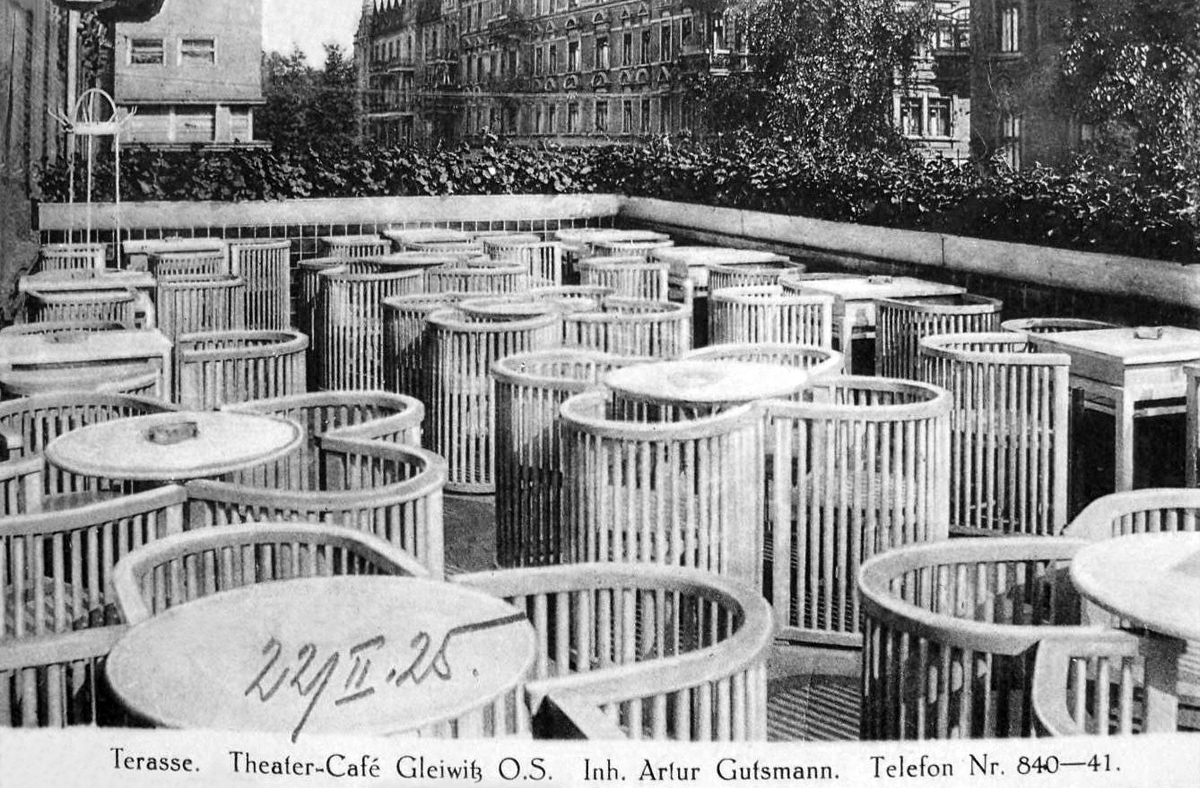
Inside, the hallway was transformed into a café with a terrace, 900 plush leather armchairs were installed in the auditorium, and the stage was redesigned with a modern semicircular shape and a rotating platform. The press and the public were ecstatic: Gliwice finally had a theater that met the standards of a world-class metropolis.
The Early 20th Century
The “Three Cities Theater”
At the dawn of the 20th century, the Three Cities Theater was established—a landmark collaborative project between Bytom, Gliwice and Katowice. The stage hosted renowned companies from across Germany and Europe, bringing a premier classical repertoire to the region.
During World War I, the building was requisitioned as a military hospital. It wasn’t until mid-1916 that it regained its theatrical function. Following the war, the cultural landscape shifted again, and performances in the Polish language were finally permitted.
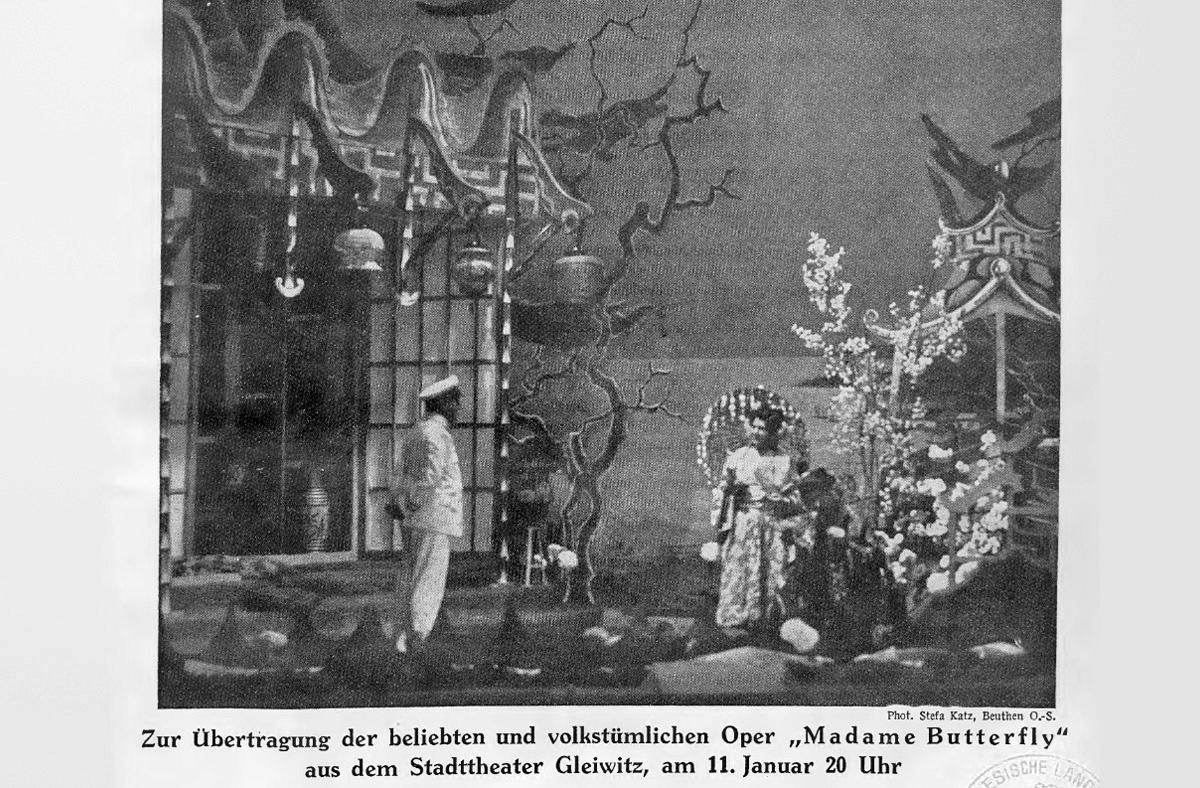
In 1924, the “Three Cities” alliance was revived among the German-administered cities of Gliwice, Zabrze, and Bytom. Gliwice became the regional hub for the operetta ensemble, housing its own dedicated actors, choir, and orchestra. From 1927 until 1943, operating as the Upper Silesian State Theater, the venue balanced sophisticated drama, opera, and operetta, serving both artistic ambitions and the shifting political expectations of the era.
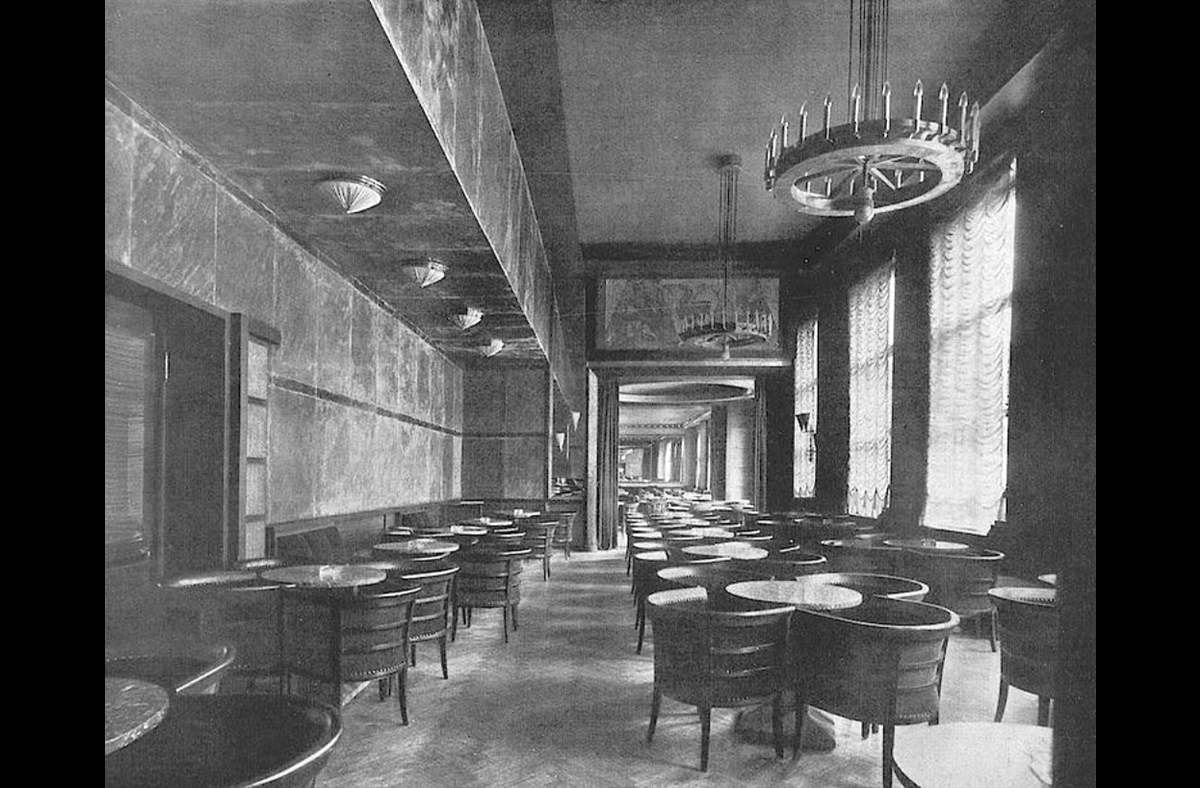
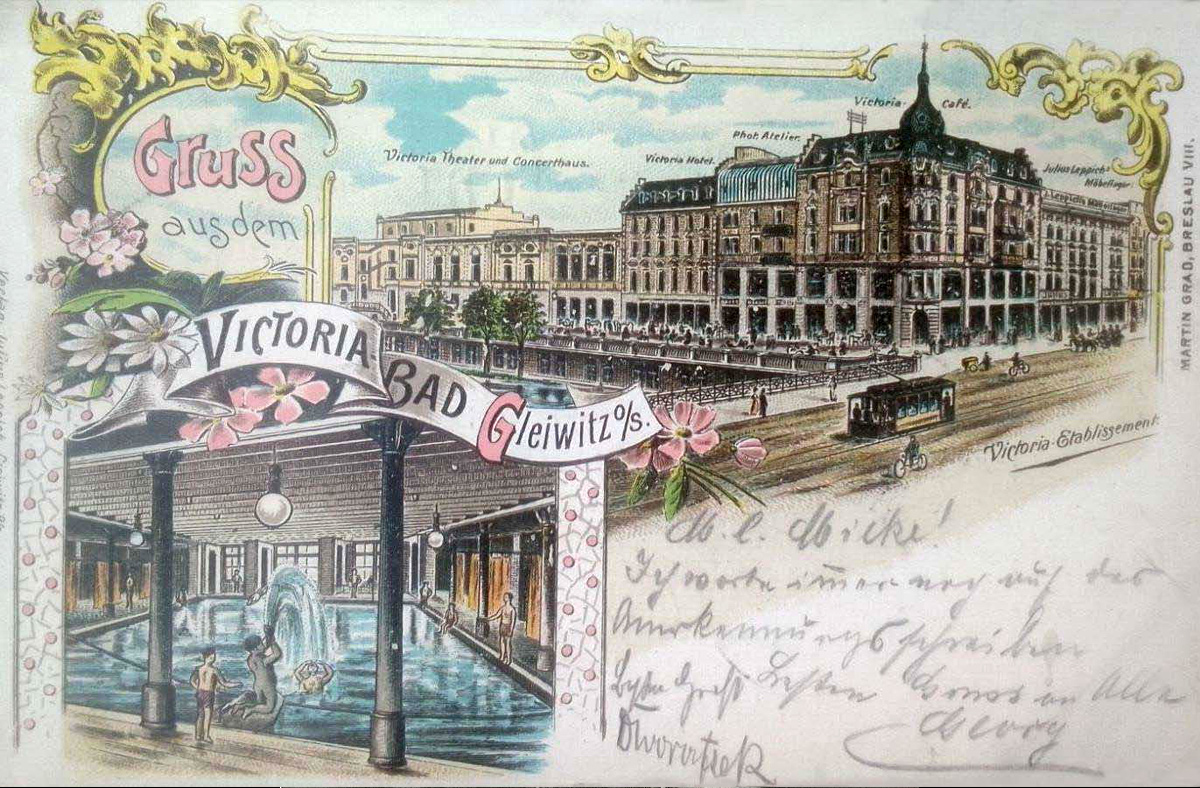
The Nazi Era: The Rise of the “Upper Silesian Theater”
The mid-1930s brought a dark transformation. Following the Nazi rise to power, a “New Order” was forcibly imposed on the theater: directors were dismissed, individuals of non-Aryan descent were purged, and artists were subjected to ideological scrutiny. Despite these repressions, the theater remained active, with performers from across Germany continuing to take the stage even as the war intensified.
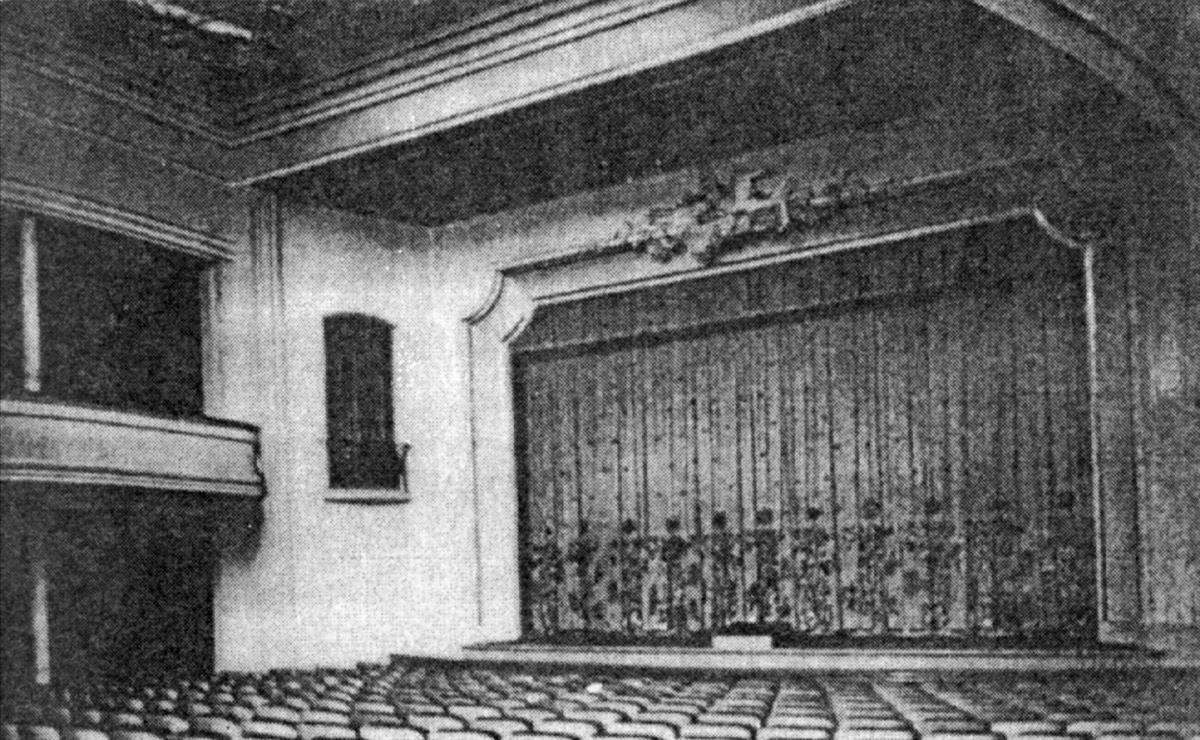
In 1943, Gauleiter Bracht established the Upper Silesian Theater as a regional “showcase” institution. Under the direction of Curt Hurrle, the project received massive funding that sparked envy among other war-depleted institutions. Resources like timber, iron, silk, and brocade were diverted to Gliwice, and the labor force included not only Berlin architects but also prisoners of war and forced laborers.
The resulting hall was a display of opulence:
Exquisite Interiors: Designed by Erna Hitzberger, featuring a massive curtain with floral and animal motifs, hand-embroidered by artisans from Schönwald.
Ornate Details: A gilded, wrought-iron chandelier and a magnificent ceiling relief by Fritz Müller-Kamphausen.
Artistic Decor: Walls draped in red and gold, with foyers showcasing works by local artists, including a bust of Eichendorff by Peter Lipp.
Despite this immense effort and investment, the Upper Silesian Theater operated for only one full season. In August 1944, all German theaters were ordered to close as the war neared its end.
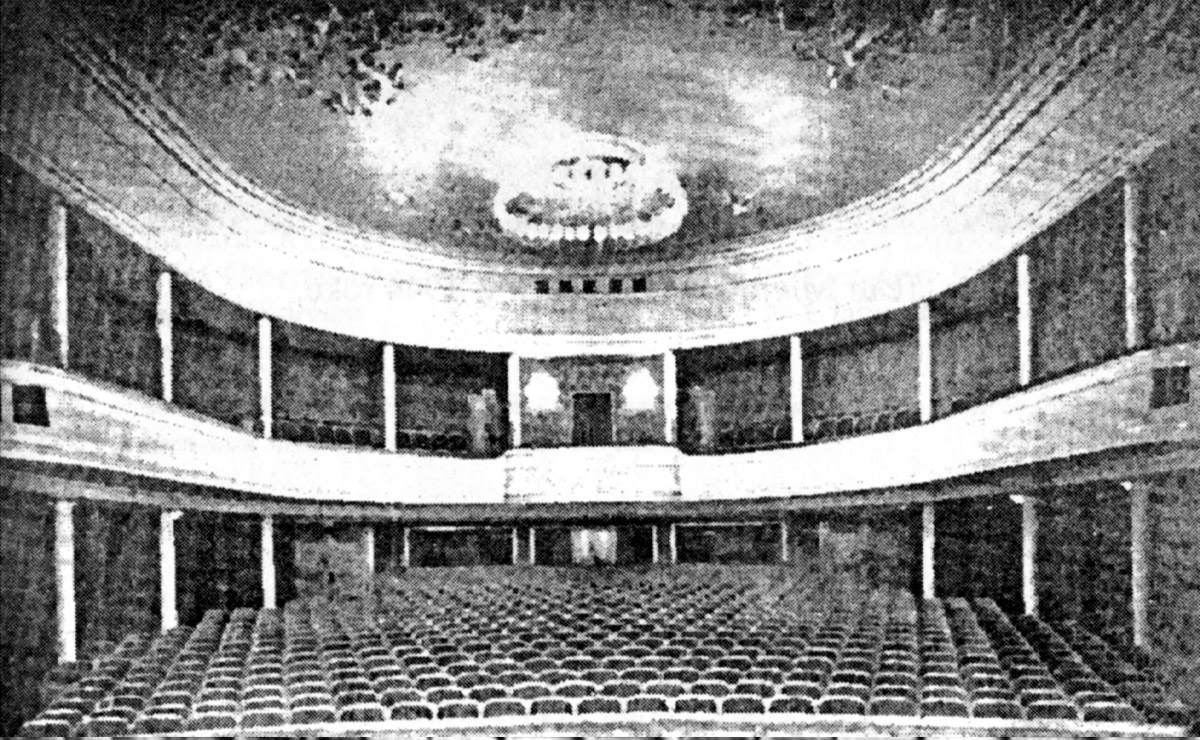
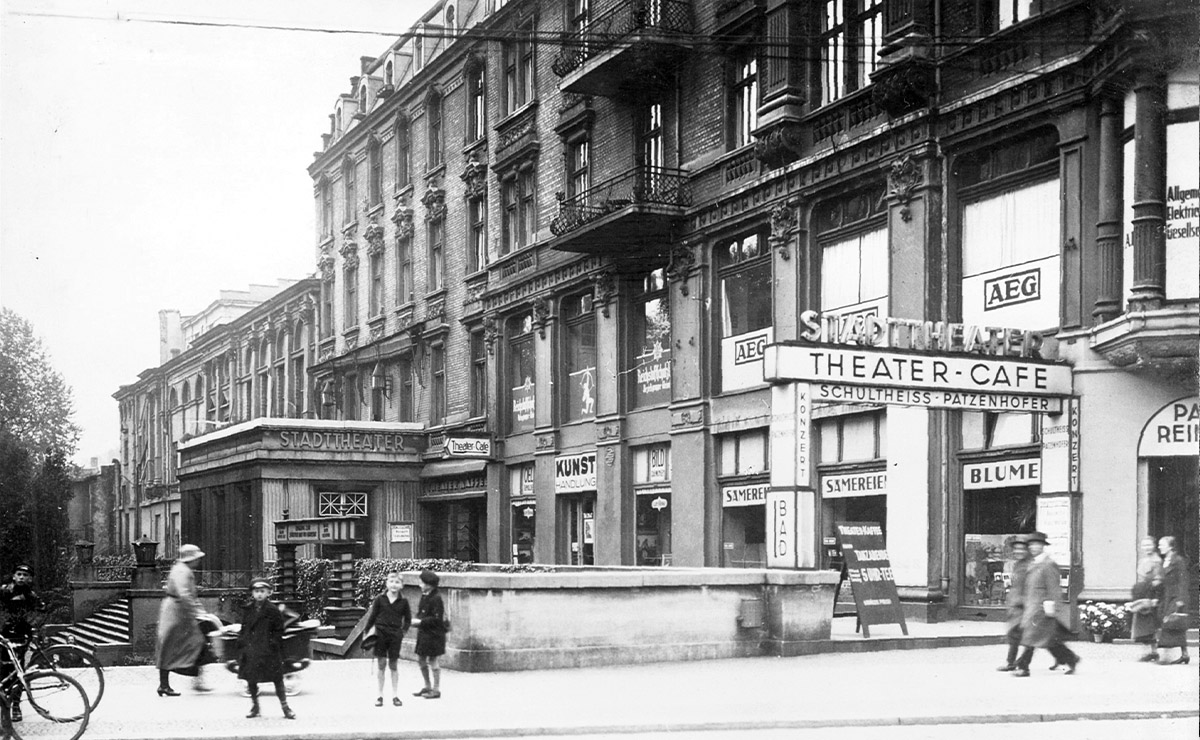
1945
The Destruction of the Theater
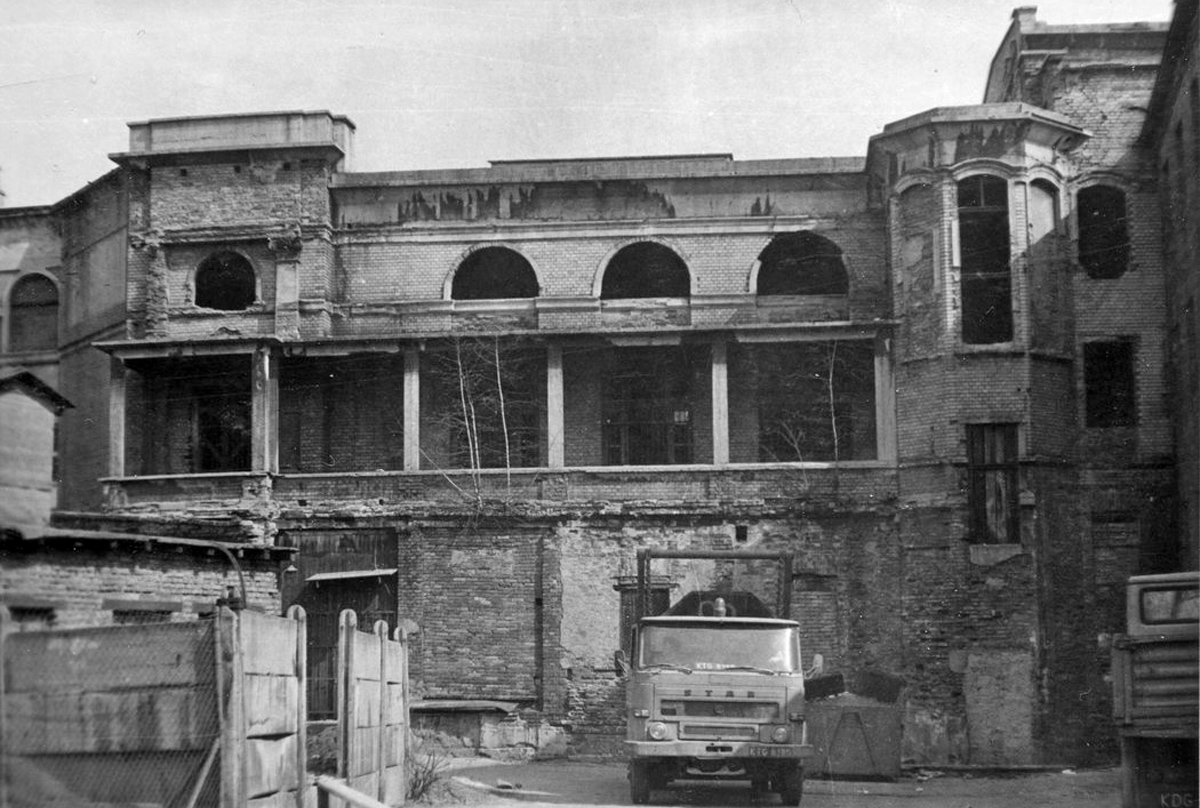
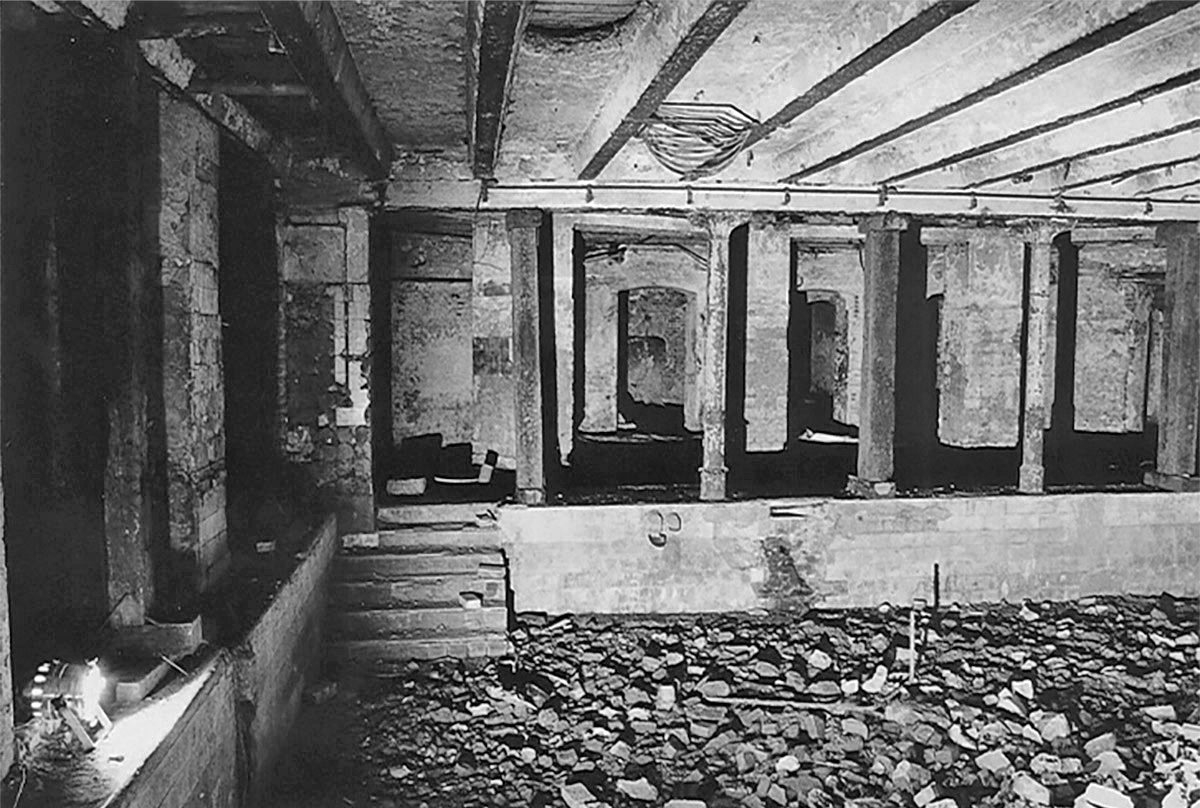
In March 1945, Red Army soldiers marched into Gleiwitz (Gliwice) and occupied the theater. Fires ignited within the building gutted the interior and destroyed the ceiling; the legendary hand-embroidered curtain was famously cut into pieces to be used as blankets. While a fire wall saved the administrative offices, the heart of the theater – the auditorium, the stage, and the foyer – suffered catastrophic damage.This marked the tragic end of the original City Theater.
Post-War Degradation
In the aftermath of the war, the theater was not rebuilt. The city’s main stage was moved to Nowy Świat Street, leaving the Victoria building to fall into disrepair. Decades of neglect followed. Provisional roof repairs using wooden ceilings and reinforced concrete slabs caused structural subsidence and deformed the balconies.
Until the 1970s, the municipal baths continued to operate in the basement, while the grand theater hall was relegated to a construction warehouse. In 1967, the Piast Gliwice sports club took over a portion of the building. The foyer’s façade was stripped of its ornate decorations, and the grand entrance stairs were demolished. Though various concepts emerged over the years—ranging from a cinema to a bank branch or even a casino—none ever came to fruition.
The Rebirth of the Ruins
The tide finally turned in the 1990s through the tireless initiative of Ewa Strzelczyk. Supported by her foundation, she launched a mission to save the Victoria. The building was cleared of debris, the stage was reconstructed, and essential infrastructure—windows, doors, sound, and lighting—was installed. A new entrance was created to bypass the sections still occupied by the sports club.
1996
Art Returns
In May 1996, after more than 50 years of silence, art returned to the ruins. The space once again filled with light, sound, and the energy of a live audience.
Tragically, this new chapter was interrupted by the sudden death of Ewa Strzelczyk in a cable car accident in the Italian Dolomites. While her foundation continued its work, it became clear that the theater’s full potential required significant capital. This led to the city taking over the property, opening the door to vital EU funding.
„
The realization that these walls are hearing the applause of an audience for the first time in fifty years fills us with emotion. It strengthens our conviction that this theater will truly come back to life – that art has found a permanent home here.
– Ewa Strzelczyk

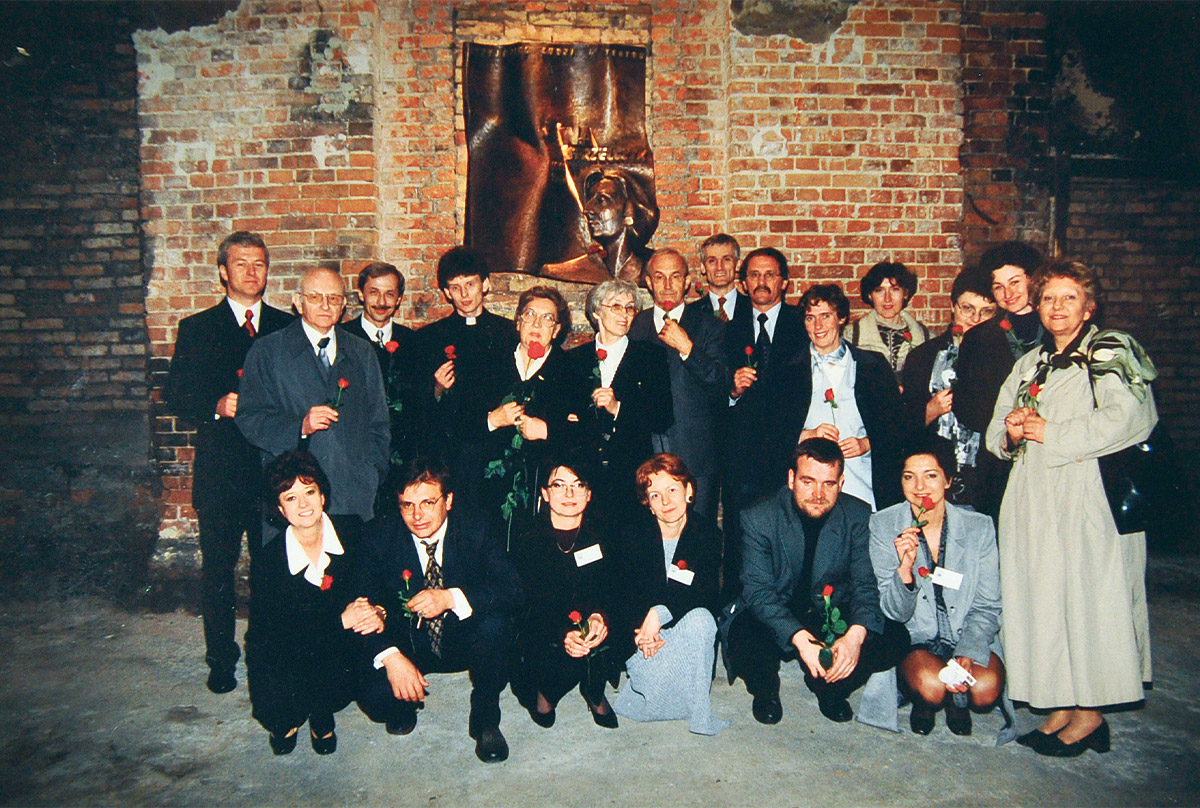
In January 2005, the Gliwice Music Theater took over management, transforming the site into a beloved venue for landmark events like elektrONarracje and Jazz in the Ruins. The site’s raw beauty has captivated artists and audiences alike – Krystyna Janda famously recalled her first visit, spent enthusiastically photographing every corner of the atmospheric ruins.
2021
A New Beginning
In 2021, the Victoria Cultural Center (Centrum Kultury Victoria) in Gliwice took over the programming of the theater ruins. Today, the Center breathes new life into this historic site through a vibrant calendar of artistic, social, and educational events.

Experience Victoria Today
Witness the transformation as the Victoria Theater ruins become the true cultural heart of Gliwice – a place of encounter, inspiration, and boundless creativity.
The Victoria invites you